

Why Riverside Walks Beat Mountain Trails
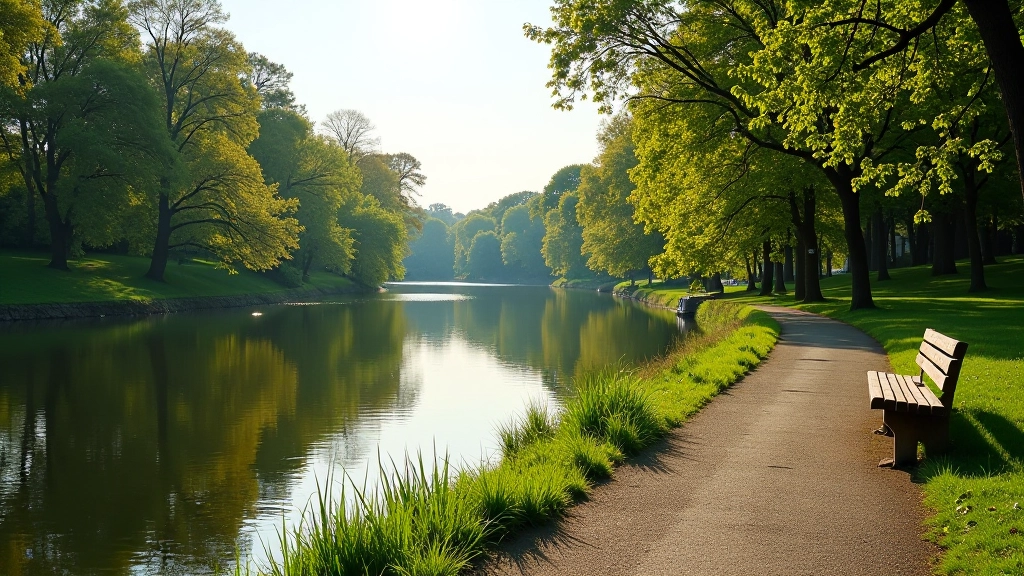
When you're looking for a walk that won't leave your knees screaming, riverside promenades near Praha are honestly your best bet. There's something special about them—you're not fighting gravity, not scrambling over rocks, just walking on mostly flat ground with water beside you.
The Vltava River creates several natural pathways that have been developed specifically for walking. Unlike the steep trails in Bohemian Paradise or Šumava, these routes follow the water's gentle curves. You'll notice the terrain stays consistent. No surprise uphills waiting around corners. No technical footing to worry about.
Here's what makes them work for older walkers: the flat surface means less joint impact. Your ankles don't need to stabilize on uneven ground. Your hips and knees move in familiar patterns without strain. Plus, you can walk at whatever pace feels right and stop whenever you need to rest.
The Core Appeal: Most riverside promenades near Praha cover 2-5 kilometers with zero elevation change. That's a genuine walk—not a stroll in a park, but real movement through nature—without the physical demands that make hiking tough for people over 65.
The Main Routes: What You're Actually Walking
There are three main riverside promenades worth knowing about. Each one's a bit different, but they all share that flat-ground advantage.
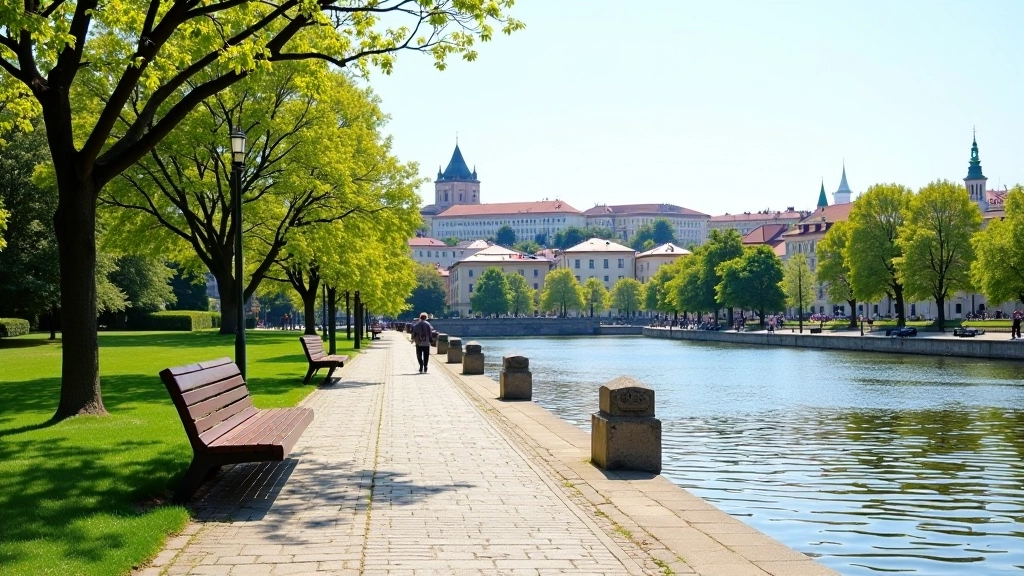
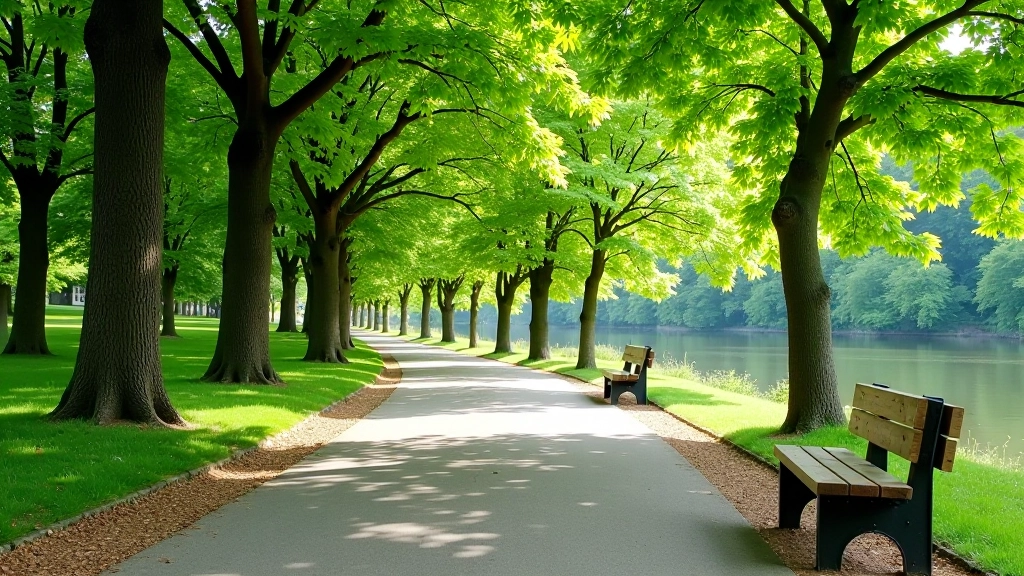
Vltava Right Bank (Staré Město to Vyšehrad): This is the most popular section. The path runs along the river's right side through the city, and you're walking past historic buildings while the water's beside you. The surface is paved—proper pavement, not gravel. It's about 4 kilometers and takes roughly 45 minutes at a comfortable pace. You can break it into smaller sections if you want. There are benches scattered along the way, maybe one every 200 meters or so.
Vltava Left Bank Extension: This route goes from the city center outward toward Libeň and Holešovice. It's quieter than the right bank—fewer tourists, more locals walking dogs and jogging. The left bank path is also flat and well-maintained. About 5 kilometers in total, but you can walk just the first 2-3 kilometers and turn back. The benefit here? You see a different Prague. Less crowded, same easy walking.
Berounka River Walk: This one's about 20 minutes outside Praha proper. The Berounka merges with the Vltava, and the section between Žebrák and Tetín has a promenade that's genuinely scenic. It's the least developed of the three—more natural, fewer amenities—but the payoff is prettier surroundings. You get trees, water, and views of limestone cliffs in the distance without actually climbing them.
Practical Things That Actually Matter
Let's be honest about logistics. The best walk is one you can actually complete comfortably.
Getting There: The Vltava paths are accessible by public transport. You can take the metro to Staromestská station and start walking immediately. Or catch a tram to different starting points. No car needed unless you're heading to the Berounka walk, which requires a short train ride out of the city.
Restrooms: This matters more than guidebooks usually mention. The right bank path has restroom access every 1-1.5 kilometers. There are cafés along the way where you can stop, sit down, and use facilities. The left bank is less developed—restrooms are fewer. If you're heading that direction, plan accordingly.
Weather and Timing: Spring (April-May) and autumn (September-October) are ideal. Summer gets crowded and hot. Winter's fine if you're comfortable in cold, but the path gets icy. We'd recommend avoiding December-February unless you're experienced with ice. Early morning walks, before 10 a.m., mean fewer crowds and better light for photos.
"I've walked the Vltava path probably 40 times now. The flatness is genuinely the whole point. My hip's not what it was, and I can actually finish a proper walk here without pain. The coffee stops help too—gives me a reason to sit down without feeling like I'm slowing anyone down."
What to Bring and How to Prepare
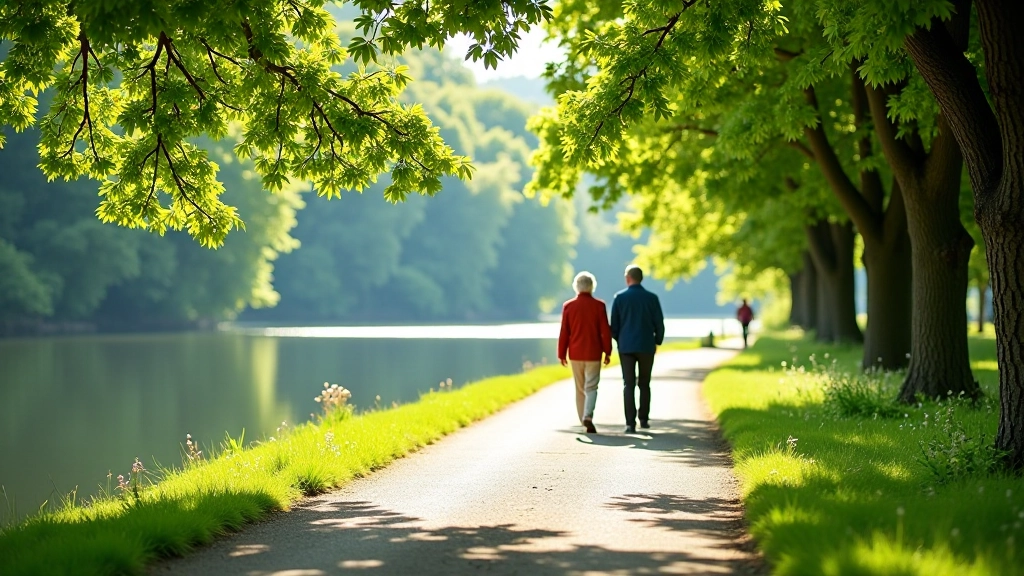
The good news? You don't need special gear. These aren't backcountry hikes. Regular walking shoes are fine—nothing with stiff ankles needed. The pavement's smooth enough that ordinary shoes work perfectly well.
Bring water. Seriously. Even though the walk's easy, you're still moving for 45 minutes to an hour. A 500ml bottle per person is reasonable. There's not many water fountains along the Vltava paths, though cafés will sell you bottled water.
A light pack with snacks makes sense. Some nuts, a banana, maybe a granola bar. You're not climbing mountains, so you won't burn enormous calories, but having something to eat during a rest break makes the experience better. Plus, you're not far from civilization—if you forget something, a café's usually nearby.
For timing: start earlier rather than later. A 9 a.m. start gives you the whole morning. You're done by lunchtime, rested before the afternoon, and you've avoided the midday heat in summer or the dim light in winter.
Real Challenges and How to Handle Them
These walks are easy compared to mountain trails, but they're not without friction points.
Crowds on weekends: The right bank path gets genuinely packed on Saturday and Sunday afternoons. Tourists, families, joggers—it becomes a bit of a corridor. If crowds bother you, walk on weekday mornings instead. You'll have the path mostly to yourself.
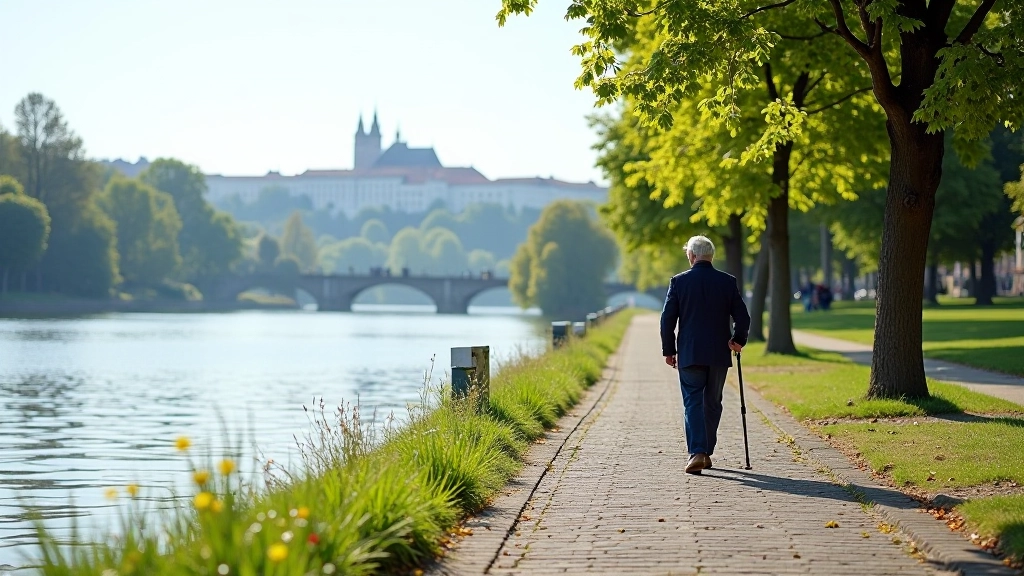
Occasional uneven sections: While the paths are mostly flat and paved, there are occasional spots where tree roots have cracked the pavement or maintenance hasn't caught up. Watch your footing. It's not dangerous, but it requires attention. Take your time and don't rush.
Limited shade in summer: Parts of the path are exposed. In July and August, the sun can be intense. A hat and sunscreen matter. Some sections have trees creating shade—the paths vary—but don't count on it being shaded the entire way.
None of these are deal-breakers. They're just real things to plan for. You're walking in a city near water, not in wilderness. That's actually the whole point.
Why This Works for People Over 65
At the core, riverside promenades solve a real problem: how to get genuine walking exercise without joint damage or excessive fatigue. The flat terrain means your body does the work you want it to do—building endurance, improving circulation—without fighting gravity or technical footing.
You're walking in pleasant surroundings with water views, historic architecture (if you take the city sections), and natural scenery (if you choose the outer routes). The routes are well-developed, with benches for resting and cafés for breaks. You're not isolated in wilderness—help's never far away.
These aren't thrilling hikes. They're not conquering peaks or scrambling through technical terrain. But they're real walks—substantial movement through meaningful landscape—and they work for bodies that need gentleness without sacrificing substance.
If you've been thinking you can't do proper walks anymore because your knees won't handle hills or your stamina's dropped, the riverside promenades near Praha prove that's not quite true. You can still walk. It just looks different.
Start Planning Your Walk
Pick a starting point. The Staromestská metro station for the city path, or the train to Žebrák for the Berounka route. Give yourself a morning. Bring water and comfortable shoes. Walk at whatever pace feels right. That's genuinely all you need.
You'll discover that "walking" doesn't mean struggling uphill. It means moving through space, seeing new things, and feeling your body work in a way that doesn't leave you sore afterward. The riverside promenades near Praha deliver exactly that—flat walking at its best.
Important Disclaimer
This article provides educational information about riverside walking routes near Prague. Individual fitness levels vary considerably. Before beginning any walking program, especially if you have pre-existing health conditions, joint problems, or mobility limitations, consult with your doctor or healthcare provider. Walking routes, conditions, and availability may change seasonally. Always check current local information before planning your visit. This guide is informational only and does not constitute medical or professional advice. Your personal health, fitness level, and specific circumstances should guide your decisions about walking distances and intensity.