
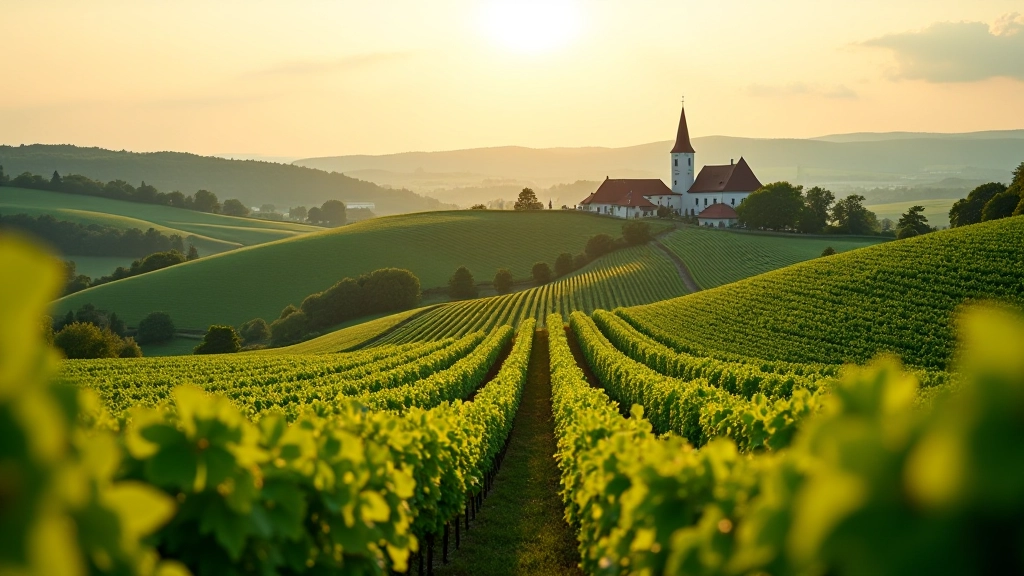

Why Moravia's Vineyards Are Perfect for Retirees
Moravia isn't just about wine — it's about rhythm. The vineyard routes here are designed around a natural pace. You're not racing between checkpoints or climbing steep switchbacks. Instead, you're wandering through rows of grapes, stopping whenever a view catches your eye, talking with locals in village squares. It's walking that feels purposeful without being punishing.
The terrain is forgiving. Rolling hills mean you're always moving gently — never flat and boring, but never requiring mountain fitness either. And here's what really matters: there's always a wine bar, a café, or a family vineyard nearby. You don't need to pack supplies for the entire day because hospitality is woven into these routes. That changes everything about how you experience the walk.
The Three Best Routes for Your Level
Moravian wine country has three distinct walking zones, and each suits different abilities. The key isn't picking the "easiest" — it's picking the one that matches what you actually enjoy.
The Valtice Loop (8 km, mostly flat)
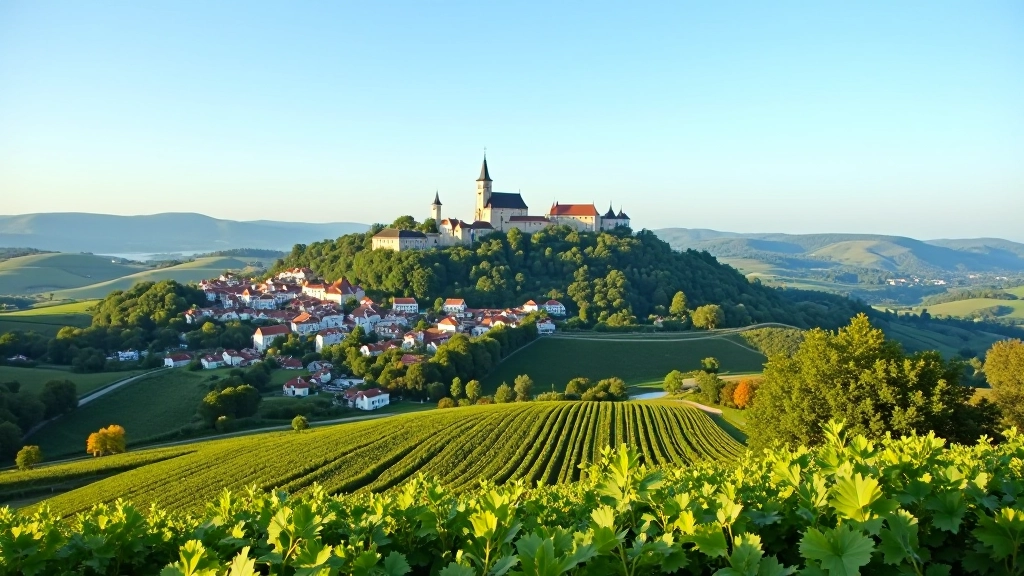
Centered around the massive Baroque castle. You're walking vineyard roads — not hiking trails. There's a town cafe every 2-3 km. The landscape is open and gentle, with views across to Austria on clear days. Most people finish in 3-4 hours with breaks. Restaurants and wine tasting rooms are abundant.
The Mikulov Wine Villages (10 km, gentle rolling)
This connects three villages through vineyards and small forests. The hills are real but gradual — no sudden climbs. You'll pass family wineries where you can stop for a taste and a chat. The medieval town of Mikulov itself is worth an hour just sitting in the main square. Total time is 4-5 hours including stops.
The Palava Nature Reserve Edge (12 km, varied terrain)
This route traces the edge of a nature reserve with real hills and forest sections. You're climbing more here — expect 300-400 meters of elevation gain over the full route. But you're doing it slowly, with vineyards below and a lake visible at several points. It's the most rewarding if you want a proper walk that still feels manageable.
What to Bring (And What You Don't Need)
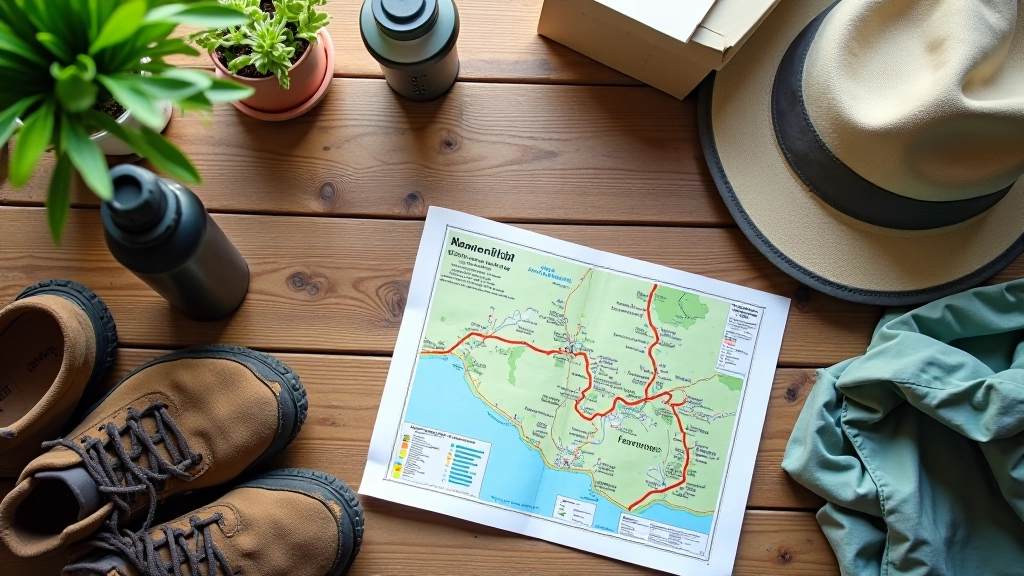
These aren't wilderness walks. You're in wine country where infrastructure is real. That changes what you actually need to carry.
Timing Your Visit for Best Conditions
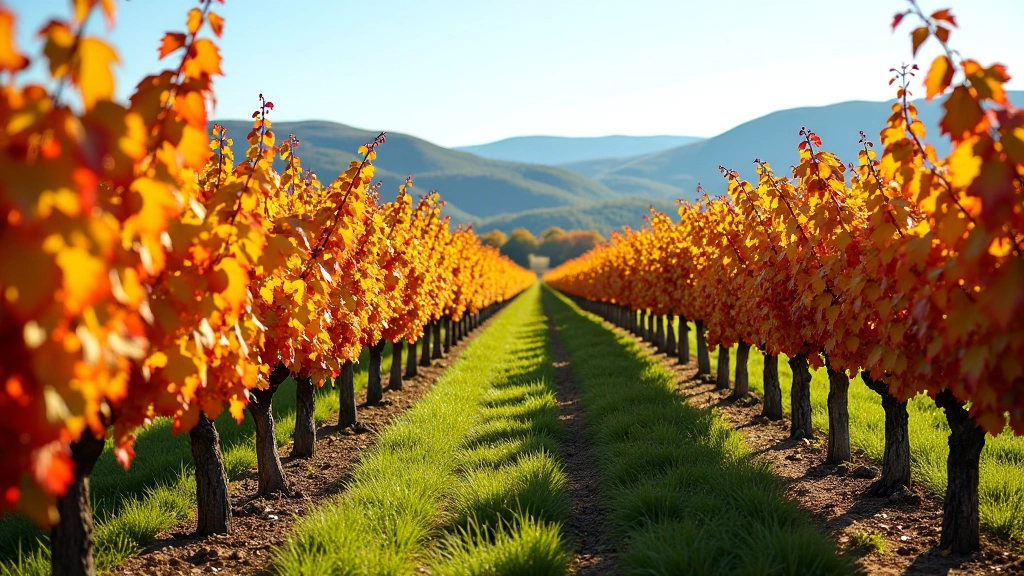
Moravian wine walks work in multiple seasons, but each has a different feel. Spring (May) means new leaves and fewer tourists — it's quiet and green. Summer (June-August) brings warmth and village festivals, but also midday heat and crowds. Autumn (September-October) is arguably perfect: moderate temperatures, harvest activity in the vineyards, and excellent light for photography.
Avoid January and February when the landscape is bare and cold. Late March through April can still be wet and unpredictable. If you prefer solitude and don't mind cooler weather, October and early November offer stunning conditions with minimal crowds.
The Real Reward: Meeting Winemakers
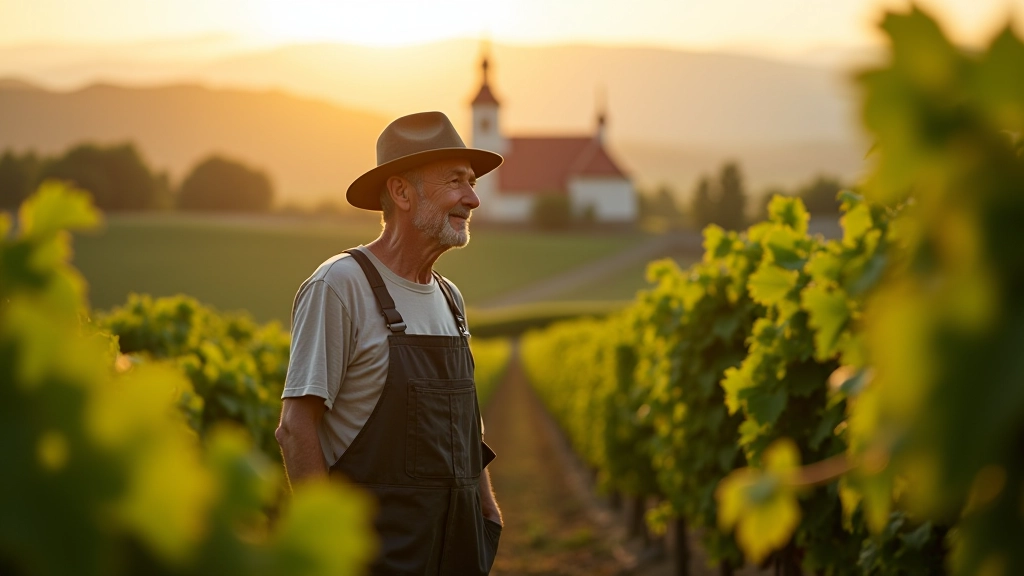
Here's something that doesn't show up in guidebooks. Many family wineries on these routes are run by people who genuinely love talking about their work. They're not conducting tours for 40 people — they're talking with the few people who walked their vineyard roads that day. That's a completely different experience.
You'll find tasting rooms that are literally someone's kitchen converted into a shop. The wine isn't expensive. The conversation matters more than the sale. You'll learn about microclimates, why one slope faces south and another faces north, how the same grape tastes different here than it does 50 kilometers away. That's the real walking experience in Moravia — not distance covered, but connections made.
Getting Started
Moravian vineyard walking doesn't require special fitness or expensive gear. It requires interest. Interest in landscape, in wine, in the pace of walking, in talking with locals. If those things appeal to you, these routes are designed exactly for you. Pick one, set a morning time to start, and plan to return somewhere for a long lunch. That's the Moravian way.